Why I think what you eat matters way more after you hit 50
Eating well after 50 flips the script on aging brains, you can sharpen focus, reduce forgetfulness and boost mood. Make omega-3s, antioxidants and low added sugar daily staples and you’ll protect memory and energy, not just your waistline.
Let’s talk about why our brains change as we get older
Brains lose plasticity, blood flow slows and you feel that dip in recall, it’s common but not fixed. You should feed neurons with healthy fats, B vitamins and greens to help preserve cognition, attention and everyday sharpness.
The real deal about inflammation and that annoying brain fog
Inflammation creeps into aging brains and causes that annoying brain fog, slower thinking and higher dementia risk; cut processed food and added sugar and add fish, berries and turmeric instead.
Because chronic inflammation is what really eats away at neural connections, you need to know the culprits and the fixes – excess sugar, trans fats and poor sleep rev up microglia and damage the blood-brain barrier, while omega-3s, polyphenols and fiber calm things down. Chronic inflammation quietly raises your risk of cognitive decline. So prioritize salmon, berries, walnuts, leafy greens and turmeric, move more and sleep better; small shifts add up fast.
How a brain health diet over 50 actually fights cognitive decline
Diet alters inflammation, insulin and blood flow, so you can actually slow cognitive decline by eating differently. Prioritize omega-3s, colorful veggies, whole grains and low added sugar and avoid processed snacks for better memory and mood.
You get real gains from foods that support synapses, vessels and cell repair: omega-3s boost membrane health, B vitamins keep homocysteine down, antioxidants mop up free radicals and fiber feeds a brain-friendly microbiome. Eating right over 50 isn’t just habit, it’s medicine for your brain. So aim for fatty fish, leafy greens, berries, nuts, olive oil and legumes, and cut the ultra-processed stuff – your future self will thank you.

Are blueberries actually the “memory berry”?
Blueberries sharpen memory. You can get noticeable benefits from their flavonoids and antioxidants, with studies showing modest recall gains in older adults, so toss them into yogurt or oatmeal and make it part of your routine.
How antioxidants and flavonoids protect your aging brain
Antioxidants in blueberries protect neurons from oxidative damage and lower inflammation. You’ll get better blood flow and cleaner cell signaling when you eat them regularly, which helps slow age-related memory decline.
Why these tiny berries are memory boosting foods for seniors
Flavonoids in blueberries cross the blood-brain barrier and help you form new connections, improving recall. Small servings have been linked to better memory in seniors, so those tiny berries pack a real punch.
Research shows small but consistent benefits in memory and executive function when you eat berries several times a week. You don’t need huge amounts – a half cup to a cup a few times weekly often does the trick. Want faster gains? Pair them with walking and decent sleep. Not a cure, but a tasty, low-risk boost you can stick with.
Simple ways to get more “brain berries” into your daily routine
Try adding a handful to cereal, smoothies, or salads, freezing them for snacks, or stirring into cottage cheese – quick, easy, tasty. You’ll get a quick antioxidant boost without fuss.
Mix frozen blueberries into morning oats or blend with spinach and yogurt for a fast smoothie – toss in a banana for sweetness instead of syrup. You don’t want to drown the benefits in sugar; added sugar can offset the gains. Prep single-serve bags so you’ll grab them even on rushed days.
The real deal about nuts and seeds for your mind
Last month I watched my neighbor snack on walnuts and sunflower seeds while solving a crossword; you can toss a handful into yogurt or salads. Nuts and seeds pack omega-3s, vitamin E and healthy fats that support memory and mood – small changes, big payoffs.
Why walnuts look like brains and why they’re great for yours
My grandma joked that walnuts look like brains, and you might laugh, but they’re loaded with ALA omega-3s and antioxidants that help cell membranes and memory. Toss a few into your oatmeal or salad and you’ll get a tasty, brain-friendly crunch.
Using Vitamin E and healthy fats to prevent cognitive decline
Aunt June started sprinkling almonds on her cereal and swore her focus improved; you can add mixed nuts too. Vitamin E and monounsaturated fats protect cells, and higher vitamin E intake links to slower cognitive decline in some studies – simple swaps, steady benefits.
You remember my aunt who switched to olive oil and almonds, right? Try adding a palm-sized handful of nuts and a sprinkle of sunflower seeds each day; foods rich in vitamin E and healthy fats – like almonds, hazelnuts, sunflower seeds and avocados – support cell membranes and may slow memory loss. Watch supplements though; high-dose vitamin E pills can raise bleeding risk, so talk to your doc before megadoses.
Easy ways to snack on seeds for better nutrition for the aging brain
Often I catch people tossing pumpkin and chia into smoothies, you can do that too. Seeds give fiber, magnesium and ALA omega-3s that feed your brain and gut. Grind flax for absorption and if you have swallowing issues, avoid whole seeds or soak them to reduce choking risk.
Try this: I mix sunflower, pumpkin and flax into a jar, sprinkle on salads, stir into porridge or mix into homemade granola – it sticks to food so you actually eat it. If you wear dentures or have dysphagia soak chia or grind flax so they soften. Roasting adds flavor but keep salt low; one to two tablespoons daily is a good start for older adults, and if you take blood thinners check with your clinician because high omega-3 intake can affect bleeding.
Can you actually eat dark chocolate for your brain?
Imagine you’re at a cafe, eyeing a dark chocolate square after lunch, you can, in moderation. Dark chocolate with 70%+ cacao supplies flavonoids that help brain blood flow, but too much sugar and calories erase the gains, so keep portions tiny and occasional.
Why I’m obsessed with flavonoids for better brain blood flow
Picture yourself stirring a spoonful of cocoa into yogurt – those flavonoids boost nitric oxide, so brain blood flow improves and you can feel sharper focus. You don’t need a bar; a couple small high-cacao squares or cocoa in recipes gives you the perks without the junk.
The real talk on dark chocolate and moderation
But don’t let a nightly habit sneak extra sugar, calories and caffeine into your routine; is that bar helping your brain or your sweet tooth? Favor low-sugar, high-cacao choices and treat chocolate as a small brain-support treat, not a staple.
Watch how servings add up – a couple small squares deliver benefits without the baggage, while big bars do more harm than good. If you’re on medications or blood pressure drugs, check with your clinician, because caffeine and concentrated cocoa can affect sleep or interact.
Stick to one small square (10-20g) most days.
You’ll still get flavonoids without the guilt.
Turmeric and broccoli: the anti-inflammatory power duo
Try tossing turmeric and broccoli into your midweek bowl – curcumin plus sulforaphane quiet inflammation that harms your brain. You’ll want a pinch of black pepper and a little oil so your body actually absorbs the benefits; small swaps, big payoff.
Pair turmeric with lightly steamed or roasted broccoli, olive oil and a pinch of black pepper so the compounds are bioavailable and practical for daily meals. If you take blood thinners or have gallbladder issues, talk to your clinician before you ramp up turmeric – interactions can happen.

Add black pepper and healthy fat to boost absorption.
Why I’m swapping my second coffee for green tea
Many think swapping your second coffee for green tea means losing your buzz, but you get steadier alertness with less caffeine and calming L-theanine. It’s a gentler lift, keeps you sharper for longer, and can cut that afternoon crash – try it and see how your brain responds.
The magic combo of L-theanine and caffeine for focus
Some assume tea’s caffeine is too weak to help, yet the L-theanine-caffeine mix gives you clear, sustained attention without jagged spikes. You concentrate better, react faster, and stay on tasks like bills or hobbies – it’s subtle, effective, and actually pleasant.
How sipping green tea helps with dementia prevention
People often expect a miracle – green tea won’t guarantee you avoid dementia, but studies link regular intake with lower risk of cognitive decline. You don’t get a cure, but you do get a low-risk habit that supports brain health alongside diet and activity.
You may think one cup won’t matter, but regular green tea supplies catechins like EGCG that reduce inflammation, support healthy blood flow, and may help clear proteins tied to cognitive loss. Mix it with exercise and good sleep and you stack modest, evidence-backed benefits over time. Daily sipping can be a simple, brain-protective habit. And no, it’s not a miracle fix, it’s a steady, doable piece of the puzzle.
Staying calm and alert without the afternoon jitters
Don’t assume green tea will give you the same jittery rush as coffee; L-theanine smooths the caffeine buzz so you feel calm yet alert. It’s a nicer afternoon pick-me-up that helps you focus on conversations, chores, or that crossword without shaking hands.
Because some people think tea either knocks you out or hyped you up, know that L-theanine actually promotes relaxed focus by boosting alpha brain waves and softening stress responses. Try a cup mid-afternoon instead of a second espresso, but if you’re caffeine-sensitive or on blood thinners, check with your doctor – safety and interactions matter. So you can stay productive and chill.
Here’s what’s actually hurting your brain health
About 2 in 3 adults exceed daily added-sugar limits, and that overload can erode your memory circuits. If you rely on processed snacks, you’re also fueling chronic inflammation and poor blood flow – added sugar and processed junk are the top offenders you should cut back on.
Why excess sugar and processed junk are your brain’s enemies
Studies link diets high in sugar to faster memory decline, so if you reach for sweets or soda you’re asking for trouble. Those sugar spikes mess with insulin signaling and raise inflammation, which chips away at focus and recall – want better memory? Start cutting the obvious junk.
The truth about trans fats and overdoing it on alcohol
Research ties industrial trans fats and heavy drinking to poorer cognition and even brain shrinkage, so when you snack on fried, packaged foods or binge drink you’re increasing oxidative stress and harming neurons.
You probably figure a few fries or a drink won’t matter, but trans fats embed in cell membranes and alcohol wrecks sleep and B-vitamin status, both of which slow neuron repair. Swap to whole-food fats, cut back on drinks, and your brain chemistry will thank you.
Limit trans fats and moderate alcohol to protect memory.
How bad food choices trigger inflammation and memory loss
High inflammation markers are linked to quicker cognitive decline, and if you eat lots of processed meats, refined carbs or deep-fried stuff you’re feeding that fire. Small swaps lower inflammation and help preserve memory – fresh veggies, fish and nuts go a long way.
If you keep putting greasy, sugary meals on your plate, your body pumps out cytokines that mess with hippocampus function, so it’s biochemical and avoidable. Try anti-inflammatory basics – more omega-3s, fewer refined carbs, seasonal produce, and steadier meals so your blood sugar doesn’t spike.
Cut inflammation, protect memory.
What are the absolute must-have nutrients for seniors?
Last summer my dad forgot a neighbor’s name, then sharpened up after adding salmon, eggs and spinach to meals. You should prioritize Omega-3s, B12, Vitamin D, magnesium and plenty of antioxidants to protect memory, mood and clarity; small dietary shifts can change how you think.
Why Omega-3s and B-12 are the heavy hitters for your head
Think of the salmon-and-egg breakfast my neighbor swears by; his focus improved. You need Omega-3s for cell membranes and B12 for nerve signals. Low B12 causes memory lapses – get levels checked and supplement if needed.
Don’t ignore Vitamin D and Magnesium for cognitive health
After my aunt added morning walks, fortified milk and a little spinach, her thinking sharpened. You want Vitamin D for mood and cognition and magnesium for steady nerve function; deficiency can raise the chance of confusion, so check your levels before dosing. https://naturecurecompendium.com/vitamin-d-deficiency-after-50-effects-on-bones-mood-energy-and-overall-health/
Years of low sun exposure can leave you Vitamin D-deficient, and poor appetite or medications can quietly lower magnesium. You get D from sunlight, fatty fish or D3 supplements; magnesium from nuts, beans, whole grains or forms like glycinate. Check blood levels, because supplements can interact with meds and dosing varies. Don’t guess – test first.
How antioxidants act like a shield for your brain cells
Picture Grandma sneaking blueberries into yogurt and bragging about her memory; not weird, it’s science. You want antioxidants like vitamin C, E and polyphenols to neutralize oxidative stress that damages neurons. Eat colorful fruits, veggies and a little dark chocolate.
Mixing berries, green tea and turmeric into your routine packs different antioxidant types that attack oxidative stress from several angles. You’ll get flavonoids, anthocyanins and curcumin – food first is best but supplements help when intake is low. Watch blood thinners and high-dose supplements; they can backfire. Whole-food antioxidants support long-term brain health.
When diet isn’t enough – the real talk on supplements
Compared to whole foods, supplements can fill gaps but they’re not a magic fix and some interact with medications. You should pick evidence-backed options, keep doses sensible, and discuss them with your clinician before starting anything new.
My take on when to see a doctor about your brain health
Unlike normal forgetfulness, sudden declines, confusion that affects daily life, new balance or speech problems, or mood changes are red flags. You should see a doctor promptly if you notice those, especially if they worsen or you’re on complex meds.
Here’s the 5 key takeaways for a sharper mind today
While quick fixes tempt you, focus on omega-3s, leafy greens, berries, protein, and sleep – small moves add up. Keep daily habits consistent and cut smoking and excess alcohol for clearer thinking.
Rather than chasing miracle pills, you can build a sharper mind with small, consistent choices: eat fatty fish or flax, pile on leafy greens and berries, prioritize protein at meals, keep hydrated, and sleep enough. Want a mnemonic? Think F-L-E-P-S.
Small habits compound – stick with them and you’ll see real gains.
Why consistency always beats perfection when you’re eating for your brain
Instead of perfecting every meal, aim for steady wins: regular protein, veggies, healthy fats, and sleep. Small, repeated choices give steadier cognitive benefits than occasional extreme diets – and they’re easier to keep up long-term.
Against strict dieting myths, you’ll get more brain mileage by eating decently most days than by swinging between binges and cleanses. Pick a few go-to meals, prep when you can, and don’t sweat an off-day – it won’t wreck your progress.
Consistency builds cognitive reserve; little wins add up over months not weeks.
Summing up
Considering all points, you should prioritize omega-3s, antioxidants, B-vitamins and hydration to keep your memory and focus sharper as you’re aging. Want simple swaps? Try wild salmon, berries and walnuts for easy, tasty brain boosts.
FAQ
Q: What are the best brain foods for seniors?
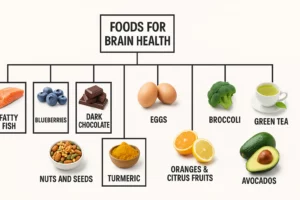
A: Myth: you have to eat weird, expensive stuff to boost brain health. Lots of common foods do the heavy lifting and you probably already like some of them. Fatty fish like salmon, mackerel and sardines are packed with omega-3s that support memory and mood. Berries – blueberries, strawberries – bring antioxidants that help fight inflammation, and leafy greens like spinach and kale supply folate and vitamin K which studies link to slower cognitive decline. Omega-3s support brain cell structure and communication.
Nuts and seeds (walnuts, flax, chia) give healthy fats and vitamin E, eggs offer choline for memory, whole grains provide steady glucose for focus, and olive oil gives monounsaturated fat that’s better for the brain than butter. Small changes add up – mix in berries with yogurt, swap snack chips for a handful of nuts, grill fish a couple times a week.
Q: How much of these foods should seniors eat and how often?
A: Misconception: you need a perfect, strict meal plan to get benefits. Consistency matters more than perfection – little wins every day beat occasional extremes. Aim for at least two servings of fatty fish per week. Have leafy greens daily if possible – a cup or two spread across meals. Eat a small handful of nuts most days, and a cup of berries or mixed fruit each day for antioxidants. Aim for at least two servings of fatty fish per week.
Choose whole grains at meals instead of refined carbs, limit added sugars and processed foods, and keep portion sizes friendly – seniors often need fewer calories but the same or more nutrients. Hydration matters too – water helps focus and digestion, so sip throughout the day.
Q: Are there any precautions or medication interactions seniors should know about?
A: False idea: if a food is healthy it’s automatically safe with any medicine. Some foods can change how drugs work, and certain health conditions call for tailored choices. Leafy greens are high in vitamin K and can affect blood thinners like warfarin, so dosing might need tweaking if you eat more or less greens than usual. Grapefruit can raise levels of some statins and blood pressure meds. Fish oil and high doses of vitamin E can increase bleeding risk when combined with anticoagulants. People with kidney disease may need to watch foods high in potassium or protein. Talk to the clinician or pharmacist before making major diet changes.
If you’re on meds, get a quick check-in with your prescriber or pharmacist – they can flag specific interactions and guide safe portion changes. Small, informed shifts to your plate are usually safe and helpful.