
You face changing social patterns after 50, and prolonged isolation raises serious risks-higher rates of depression, heart disease, inflammation, and even increased mortality. At the same time, regular contact delivers powerful benefits: better memory, emotional resilience, reduced stress, and longer life. Maintaining meaningful connections supports cognitive function, physical health, and a sense of purpose, and simple, consistent interactions can make a measurable difference in your well-being.
Key Takeaways:
- Regular social interaction after 50 supports mental sharpness, emotional well-being, and lower rates of depression and anxiety by keeping the brain engaged and mood-regulating systems active.
- Strong social ties are linked to better physical health and longer life expectancy through improved stress regulation, healthier behaviors, increased activity, and stronger immune responses.
- Practical, sustainable habits-small, consistent contacts, structured group activities, volunteering, intergenerational connections, and thoughtful use of technology-can rebuild and maintain meaningful social networks despite common barriers.
Human beings are social by design. As daily routines shift after age 50, the number and type of social contacts often change. Workplaces shrink, children move away, mobility can decline, and friends’ lives evolve. Those changes do not have to lead to isolation. Sustained social interaction influences brain function, emotional health, physical resilience, and a sense of purpose. This article explains why social connection matters for people over 50, how isolation affects body and mind, barriers that commonly arise, and concrete ways to build and maintain fulfilling relationships. Why does social interaction often decrease after 50? Life after 50 commonly brings transitions that reduce incidental social contact. Retirement eliminates daily coworker interactions. Adult children establish their own households. Health issues or relocation can limit mobility. Even without dramatic events, gradual changes in routines quietly shrink social circles. The difference between being alone and being isolated matters: solitude can provide rest, creative thinking, and reflection, while isolation describes a lack of meaningful, regular contact. Loneliness is subjective and can occur in a crowd if interactions lack depth or emotional connection. The brain’s social wiring. Human brains evolved in social groups. Conversation, facial expressions, and emotional exchange activate many neural systems simultaneously. Regular interaction stimulates attention, memory, language, and emotional processing. These activities maintain neural pathways and promote cognitive flexibility. When social interaction drops, those pathways receive less varied stimulation, which can accelerate cognitive slowing or contribute to mental fog. Neurochemistry and mood. Positive social interactions trigger hormones and neuromodulators that support mood and motivation. Oxytocin promotes trust and bonding; dopamine supports reward and motivation; serotonin helps regulate mood. Social contact also influences stress hormones, such as cortisol. Warm interactions and laughter reduce stress reactivity, help balance emotional states, and make people more resilient to setbacks. Reduced social contact can blunt these beneficial neurochemical responses, increasing vulnerability to depression and anxiety. Mental health benefits of staying connected. Reduced risk of depression and anxiety. Adults over 50 face risks for mood disorders tied to life changes, health issues, and loss of role. Regular contact-whether a weekly phone call, a coffee with a neighbor, or participation in a club- provides emotional outlets and perspective. Sharing worries with others, receiving validation, and experiencing companionship protect mood. Mild, routine social interactions can improve daily affect, while deeper supportive relationships buffer against persistent depression. Protection for cognitive health. Conversation and social engagement are demanding cognitive activities. Listening, interpreting social cues, recalling names and events, and responding in real time exercise memory, processing speed, and verbal fluency. Longitudinal research links frequent social participation to slower decline in memory and executive function. Social engagement combined with other mental activities-reading, learning new skills, or volunteering-produces additive benefits for brain health. Physical health benefits: Lower risk of chronic disease. Social isolation is associated with higher rates of cardiovascular disease, hypertension, chronic inflammation, and weaker immune responses. Frequent social contact supports healthier behaviors-more physical activity, better adherence to medical care, and quicker help-seeking when symptoms appear. The cumulative effect of social support on behavior and physiology contributes to better long-term health outcomes. Higher activity and mobility, interactions often encourage leaving the house: group walks, classes, meetups, or errands with friends. People who stay socially engaged tend to move more, which helps preserve muscle strength, balance, and cardiovascular health. Social invitations motivate regular outings, helping maintain independence. Social ties and longevity. Social connections predict life expectancy. Large-scale studies have found that the mortality risk associated with loneliness or social isolation rivals major risk factors such as smoking or obesity. Mechanisms include stress regulation, health behaviors, infection resistance, and adherence to care. Feeling connected also fosters a sense of responsibility toward self-care, such as taking medications, keeping appointments, and maintaining a balanced diet. Emotional well-being and sense of purpose. Meaningful interaction affirms identity and value. After 50, professional or caregiving roles may shift, and social roles often need redefinition. Relationships offer feedback, recognition, and opportunities to contribute through mentoring, volunteering, or family roles, restoring and sustaining a sense of purpose. Even brief ritualized contacts (phone check-ins, neighborhood chats) reinforce a sense of belonging and reduce feelings of invisibility. Stress reduction through connection. Chronic loneliness can trigger sustained stress responses, elevating cortisol and contributing to sleep problems, inflammation, and cognitive decline. Positive social experiences calm the nervous system and foster relaxation. Shared laughter and emotional support reduce perceived stress and accelerate recovery from stressful events. Strong social networks act as buffers during crises, providing practical help and emotional steadiness. Communication as cognitive workout: Conversational engagement demands rapid processing: following a topic, recalling facts, interpreting tone, and crafting responses. This multifaceted mental activity helps keep language, attention, and social reasoning sharp. For older adults, regular conversational practice supports language skills, processing speed, and emotional intelligence-abilities that benefit daily life and relationships. Common barriers to social interaction after 50: Physical limitations, mobility restrictions, chronic pain, sensory loss (especially hearing), and medical conditions reduce opportunities to meet others. Transportation difficulties can also limit participation in social events. Emotional barriers: Fear of rejection, grief from loss, decreased confidence, and social anxiety can discourage reaching out. Long gaps in social activity can make restarting feel intimidating. Lifestyle and logistical changes, such as relocation, downsizing, time zone differences from family, or retirement, can disrupt established networks. Busy schedules, such as those of adult children or those with caregiving responsibilities, may leave less time to maintain friendships. Technology gaps. While technology can connect people across distance, unfamiliarity or discomfort with digital tools prevents some older adults from using these options effectively. Practical, step-by-step ways to increase social interaction. Start small and be consistent. Small, regular contacts matter more than sporadic large events. Simple habits build momentum: – Schedule one weekly phone or video call with a friend or family member. – Set a goal of greeting three neighbors daily or chatting with a cashier. – Commit to a short walk with a neighbor several times a week. Structured activities lower social pressure Joining regular groups provides shared topics and predictable formats that make conversations easier: – Community education classes (art, history, language) – Walking or exercise groups tailored for older adults – Church or faith-based study and fellowship groups – Book clubs, gardening groups, sewing circles – Senior centers that host activities and day programs Volunteer work provides purpose and social integration Volunteering creates routine, shared purpose, and recognition. Roles that match interests and abilities are most rewarding. Ideas include: Even small, regular volunteer shifts can create meaningful connections. Use technology thoughtfully to supplement in-person contact. Video calls, messaging apps, and online communities are helpful when mobility or distance limits in-person meetings. Tips for effective tech use: – Choose one or two easy platforms and practice them regularly. – Join moderated online groups focused on specific interests (gardening forums, book discussion groups). – Use video rather than text-only when possible; visual cues improve conversational quality. – Encourage family members to set up regular virtual gatherings when in-person visits are rare. Create intergenerational opportunities. Interactions across age groups provide mutual benefits. Younger people bring new perspectives and technological skills, while older adults contribute experience and emotional steadiness. Ways to connect: – Volunteer as a mentor in schools or youth programs. – Join community events that pair generations (storytelling, craft classes). – Offer to teach a skill or hobby to younger adults. – Engage in family activities that welcome shared participation across ages. Revise social identity and roles. Shifts after 50 often require reframing purpose and place. Consider roles that align with your strengths and values: Frequent interaction helps reinforce evolving identities and provides feedback about new roles. Address barriers directly. Physical and sensory limitations: seek audiology evaluations and consider hearing aids or assistive listening devices to improve conversation quality. – Choose accessible venues, arrange transportation, or research community transport options. – Find low-impact group activities suitable for mobility levels. Emotional obstacles – Start with low-stakes social exposure (short meetups, phone calls). – Practice conversational scripts or shared activities that reduce pressure to perform. – Consider counseling or support groups for grief, social anxiety, or adjustment challenges. Practical tips for initiating and maintaining connections: Make reaching out a habit. Use calendars or reminder apps to schedule regular contact. Combine social goals with daily routines (meet a friend for a weekly grocery run). – Keep a small list of contacts and rotate check-ins to maintain consistency. Focus on shared activities. Shared goals or tasks make interaction easier and more meaningful: join a walking group, a gardening club, or a class. – Volunteer for a role with clear responsibilities. – Host or co-host small gatherings with a predictable structure (game night, potluck). Quality over quantity. Meaningful conversation beats constant shallow contact. Strive for interactions that include active listening, curiosity, and mutual exchange. Even brief but genuine moments of connection strengthen bonds. Signs that isolation is becoming harmful: persistent loneliness, withdrawing from previously enjoyed activities, declining self-care, sleep changes, loss of appetite, and pronounced mood changes suggest that isolation may be harming health. If social withdrawal continues despite efforts, consult a healthcare provider. Professional help can identify underlying medical causes (depression, hearing loss, medication side effects) and connect people to resources. When professional support is helpful – Mood symptoms last several weeks and interfere with daily functioning. – Social anxiety or fears prevent attempts to reconnect. – Physical limitations require planning beyond ordinary community solutions. Healthcare providers can offer therapy referrals, medication when appropriate, or suggestions for community-based support services. Building a sustainable social routine. Treat social activity like a health habit. Just as walking daily improves fitness, small regular social practices build relational resilience. Schedule, track, and celebrate consistency. Set realistic goals and adjust as needed. Make social plans flexible and realistic. Energy levels, health fluctuations, and personal preferences change. Offer multiple ways to connect (in-person, phone, short or longer visits) so plans can adapt without ending the relationship. Balance giving and receiving. Healthy relationships include both support and acceptance of help. Volunteering or mentoring encourages contribution, while asking for help or companionship fosters intimacy and trust. Examples of low-effort social activities to try: coffee or tea meetups with a neighbor. – Community center classes (short series or drop-in). – Weekly phone check-ins with a friend or family member. – Group walking routes are scheduled at a set time. – Joining a shared-interest club that meets monthly. – Volunteering a few hours per month at a favorite local organization. – Participating in local cultural or civic events and staying afterward for conversation. How families can support social connection. Family members can encourage older relatives by scheduling regular calls and visits. – Including older adults in family events and decision-making. – Helping with technology setup for video calls or online groups. – Encouraging participation in local activities and offering transportation when possible. Community and policy-level approaches. Communities can reduce isolation by investing in accessible community centers and senior programming. – Supporting transportation options for older adults. – Encouraging intergenerational programs in schools and civic groups. – Promoting public spaces that foster casual social interaction (parks, community gardens). Measuring progress and staying motivated. Track small wins – Record the number of social contacts per week or month. – Note mood changes and energy levels after interactions. – Keep a list of new acquaintances and follow up with them. Adjust goals seasonally. Expect changes in availability and interests. Aim for steady engagement rather than rigid quotas. If progress stalls, reassess barriers and try different formats. Case examples (types of social routines that work) – The Neighborly Routine: Daily greetings, a weekly shared walk, and alternating weekend meals with a nearby friend create regular contact without large commitments. – The Structured Learner: Enrollment in a weekly community class plus volunteering at the same place provides both mental stimulation and predictable social contact. – The Hybrid Family Plan: Monthly family gatherings, weekly video calls with distant relatives, and weekday phone check-ins with a close friend mix intergenerational and peer contact. Frequently asked practical questions: How often should older adults socialize? There is no universal number. Aim for regular, meaningful contact tailored to personality and health. For many, a mix of daily brief interactions and weekly deeper conversations works well. Is technology a good substitute for in-person interaction? Technology can supplement and extend relationships, especially when distance or health limits face-to-face contact. Video calls provide visual cues and better emotional quality than text. In-person contact generally offers stronger benefits, but virtual interactions are valuable and better than none. What if I feel awkward reaching out? Start with shared activities that reduce conversational pressure. Use structured groups or volunteering that involve shared tasks, which create natural openings for conversation. Small, consistent attempts build confidence over time. How to support someone resistant to socializing: Acknowledge their feelings, suggest low-pressure activities, offer transportation or accompaniment, and propose regular yet flexible plans. Encourage small steps and celebrate small successes. Final emphasis on sustainable habits. Social interaction after 50 supports brain health, emotional balance, physical resilience, and life satisfaction. Practical change begins with small, repeatable actions: schedule a weekly call, join a group with shared purpose, volunteer a little time, learn a new skill in a class, or nurture relationships across generations. Over time, those small investments accumulate into a social network that enhances well-being and longevity.
The Impact of Social Interaction on Health
Mental Health Benefits
Regular social contact helps you manage mood and cognitive function: frequent interaction is linked to fewer depressive symptoms, lower anxiety, and sharper memory. Research indicates socially engaged older adults show roughly a 20-30% lower risk of cognitive decline in cohort studies, and even brief daily conversations can reduce loneliness and boost emotional resilience. Practical examples include weekly discussion groups and intergenerational activities that challenge your memory, language, and attention in real-life settings.
Physical Health Benefits
When you stay connected, your physical health follows: social isolation has been associated with roughly a 50% higher mortality risk in meta-analyses. In contrast, strong social ties confer protective effects comparable to quitting smoking or exercising regularly. Regular interaction lowers your risk of heart disease, high blood pressure, and weakened immunity, and it encourages mobility-walking, group classes, or volunteer work that supports cardiovascular and metabolic health.
Mechanisms that explain these benefits include stress-regulation and behavioral support: social contact reduces cortisol spikes, lowers chronic inflammation (observational studies report reduced CRP and IL-6 among socially supported adults), and improves medication adherence and care-seeking. In addition, participating in groups increases the likelihood that you’ll meet physical activity guidelines and keep routine health appointments, which, together, translate into fewer hospitalizations and better long-term outcomes.

Understanding Isolation and Loneliness
When your daily interactions thin out, loneliness and isolation can shift from occasional feelings to persistent states that harm health. Research links social isolation to about a 30% higher risk of premature death, and strong ties improve longevity and well-being-see A surprising key to healthy aging: Strong social connections. You should treat regular, meaningful contact as part of your health plan, not an optional extra.
Definitions and Distinctions
You can be alone without feeling lonely; solitude can restore you, while isolation is the objective lack of social contacts, and loneliness is the subjective distress that follows. Distinguishing those lets you pick the right strategy-structured activities if contacts are few, or emotional support if you feel persistently empty, even brief, reliable interactions often reverse harmful patterns.
Effects on Older Adults
For you after 50, reduced social contact increases risks across body and mind: higher rates of depression, heart disease, cognitive decline, weakened immunity, and slower recovery from illness. Social isolation is also associated with reduced mobility and increased healthcare use, which can rapidly erode independence and quality of life.
You may face measurable declines: meta-analyses estimate roughly a 30% increase in mortality for socially isolated people, and studies link isolation to higher blood pressure, chronic inflammation, and elevated risk of coronary events. Clinically, isolated older adults often show faster loss of function-one cohort observed greater declines in activities of daily living over six years-and more frequent hospital readmissions. Behaviorally, withdrawal reduces physical activity, disrupts sleep, and weakens medication adherence, creating a feedback loop that worsens health. Practical interventions-weekly calls, community classes, walking groups, or volunteering-have reduced depressive symptoms, improved adherence, and slowed functional decline; if your withdrawal persists, include social support mapping in your care discussions.
Barriers to Social Engagement
You often face overlapping obstacles-physical, emotional, and situational-that quietly reduce contact with others; a meta-analysis found social isolation and loneliness raise all-cause mortality risk by roughly 29%. Mobility limits, sensory loss, bereavement, and schedule shifts all chip away at daily interactions. Practical constraints such as transportation, caregiving duties, or a lack of nearby community programs compound the problem, so addressing multiple barriers simultaneously usually yields the best results.
Physical and Emotional Limitations
Hearing loss affects about one-third of adults 65-74 and nearly half over 75, making group conversation tiring and leading you to withdraw; chronic pain and limited mobility have similar effects by restricting outings. Emotional hurdles-grief, anxiety, or low confidence-amplify avoidance, and when you stop attending familiar venues, you lose informal chances to connect that once kept your days full.
Lifestyle Changes
Retirement removes roughly 35-40 hours of weekly routine and daily coworker contact, while relocating or adult children leaving home can sever neighborhood ties; these shifts mean you no longer encounter casual social cues that trigger invitations or plans. If you replace that structure with intentional activities-part-time work, volunteer shifts, or regular classes-you restore predictable social contact and rebuild a network.
Practical steps you can take include scheduling small commitments (for example, 2-4 hours weekly of volunteering), joining a walking group that meets three times a week, or enrolling in a local class to recreate routine interactions; transportation solutions like community shuttles or ride-share vouchers often determine whether those options are realistic, so factor access into your plan.
Strategies to Foster Social Connections
The most effective approaches mix predictable habits and new opportunities; aim for consistency. Studies link strong social ties to a 50% or greater increase in survival. You can use local resources or online tools to find groups; see the Population Reference Bureau summary More Than a Feeling: How Social Connection Protects … for evidence and practical examples. Prioritize small, repeatable steps that fit your mobility and interests.
Building a Routine
Set predictable social anchors: schedule a weekly coffee date, join a recurring class, or plan a 30-minute walk with a neighbor three times a week. You should block these on your calendar and use reminders; consistent contact reduces isolation more than occasional large gatherings. Begin with one committed activity per week and add more as your energy and confidence grow.
Engaging in Community Activities
Explore senior centers, libraries, faith groups, and Meetup chapters for classes, walking clubs, and volunteer roles that match your interests; options like group exercise, book clubs, or intergenerational tutoring provide repeated social exposure and mental challenge. Volunteering just 1-2 hours per week can often increase your sense of purpose and social ties without overwhelming your schedule.
Begin by calling your local community center or library to ask about accessibility, class sizes, and transportation-many offer senior shuttles or volunteer drivers. Try a “two-visit” rule (attend twice before judging) and bring a friend to lower social anxiety. If mobility or hearing are concerns, choose small-group or hybrid (online + in-person) sessions and consider roles that match your abilities-phone companionship, mentoring, or event coordination- that still deliver regular social contact and a measurable boost in routine and well-being.
The Role of Technology
Technology now shapes how you maintain ties after 50: video calls, messaging apps, and telehealth let you stay engaged without daily travel. Pew Research shows internet adoption among adults 65+ rose markedly over two decades, expanding options for connection. While tools can increase access to family, care, and social groups, they also introduce privacy risks and scams that can undermine trust, so adopting basic cybersecurity practices and choosing reputable platforms are essential for keeping your networks healthy and safe.
Enhancing Communication
Video platforms like Zoom and FaceTime let you read facial cues and preserve conversational flow, while group chats and email keep daily contact easy; features such as live captions, speech-to-text, and Bluetooth-compatible hearing aids reduce sensory barriers. You can use messaging for quick check-ins and scheduled video calls for deeper chats, and integrating tools into routines, such as weekly family calls or daily group messages, turns sporadic contact into consistent stimulation for your brain and mood.
Overcoming Geographic Barriers
Virtual interest groups, online classes, and community forums let you join colleagues or hobbyists across states and countries, keeping social roles active when people relocate or travel; telehealth appointments reduce missed care visits and connect you with distant specialists. While distance no longer poses an obstacle for many relationships, unequal broadband access and time-zone logistics remain real barriers that require practical solutions to avoid further isolation.
To make long-distance connections work, set predictable rhythms-monthly video reunions, asynchronous voice notes, and shared photo albums-and use community resources like library digital-training sessions or low-cost tablets to bridge tech gaps. Prioritize secure logins, join moderated groups to limit misinformation, and combine online contact with periodic in-person visits when possible; that mix preserves emotional depth while leveraging technology’s reach.
Intergenerational Connections
Benefits of Cross-Generational Engagement
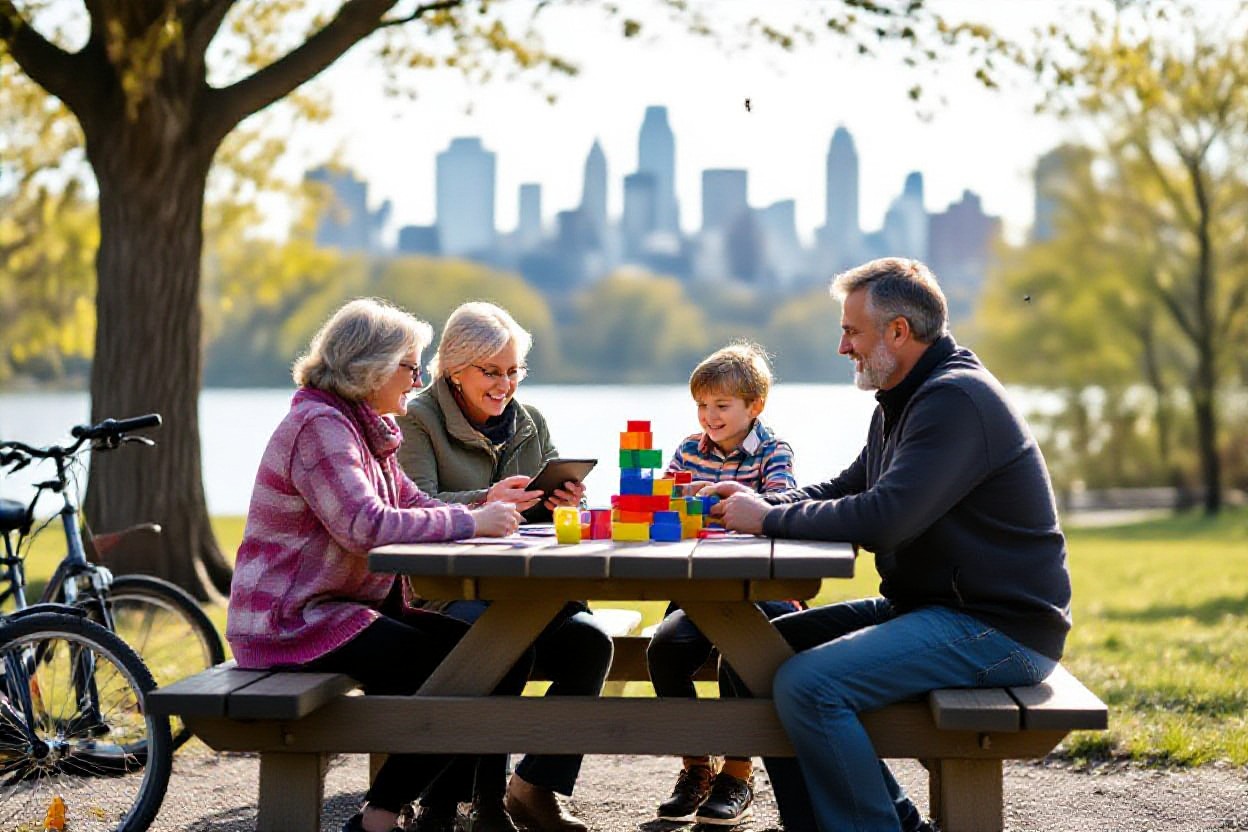
When you connect with younger generations, you gain cognitive stimulation, practical purpose, and fresh perspectives that challenge your thinking. Weekly mentoring or classroom partnerships over several months often boost mood, sharpen memory, and increase social activity. You transfer experience, career guidance, and life skills while receiving emotional rewards; many volunteers report higher life satisfaction and reduced loneliness. These exchanges also support stress regulation and lower the risk of prolonged isolation-related health harm.
Opportunities for Interaction
Mentoring, tutoring, tech coaching, intergenerational community gardens, and arts collaborations are common entry points; schools, libraries, faith groups, and nonprofits typically run these programs and often request 1-3 hours per week. You can choose formal roles or informal family projects, and virtual options expand access if mobility is limited. Match activities to your skills: teaching, carpentry, storytelling, or coding, to maximize benefit for both you and younger participants.
To begin, contact local schools, senior centers, or volunteer platforms, and prepare a brief skills-and-availability bio. Be ready for routine screening-background checks are standard in youth work-and set a clear time commitment (aim for 1-2 hours weekly) before you start. Protect your energy by choosing small groups or virtual formats if needed, and pilot a short-term project to confirm the fit for your social and cognitive goals.
To wrap up
With these considerations, you can see that maintaining regular social interaction after 50 supports your mental sharpness, emotional resilience, physical health, and sense of purpose; prioritizing consistent, meaningful connections through routines, activities, and intergenerational engagement helps lower stress, protect cognition, and extend healthy lifespan, so make building and sustaining social ties an intentional part of your daily life.
FAQ
Q: Why is social interaction important for people over 50?
A: Social interaction supports nearly every domain of health and quality of life for people over 50. At a basic biological level, the brain and body evolved to respond to social cues. Conversation, facial expression, shared laughter, and cooperative tasks activate networks that support memory, attention, language, emotional regulation, and reward. When these interactions become infrequent, those neural pathways are stimulated less often, which over time can contribute to slower processing speed, more lapses in memory, and reduced mental sharpness. Regular engagement acts like ongoing exercise for the brain: it challenges recall, perspective-taking, listening, and rapid response, all of which help preserve cognitive flexibility and reduce the risk of accelerated decline. Social connection also changes hormonal and neurochemical balance. Positive contact with others increases hormones and neurotransmitters tied to bonding, motivation, and mood, such as oxytocin and dopamine, while supporting balanced serotonin activity. These biochemical shifts lower stress responses and support better sleep, appetite, and mood stability. Conversely, prolonged social isolation is associated with higher baseline stress hormones and inflammatory markers, which are linked to a range of chronic conditions. Physical health is closely tied to social life. People who stay connected tend to be more mobile and physically active because interactions often involve leaving the home for errands, walks, classes, or community events. Being part of a social network can encourage adherence to healthy behaviors, such as attending medical appointments, taking medications as directed, cooking balanced meals, and maintaining exercise routines. Epidemiological research shows that the health risks associated with social isolation and loneliness-higher blood pressure, weaker immune response, greater inflammation, and increased cardiovascular disease risk-are substantial and comparable in magnitude to other established risk factors. Social ties also boost resilience during illness; people with support networks recover faster and report less severe symptoms in many studies. Emotional and psychological benefits are profound. After 50, many people experience transitions-retirement, children leaving home, loss of spouses or friends-that can challenge identity and purpose. Frequent meaningful interactions help preserve a sense of belonging and usefulness. Being seen and heard reduces feelings of invisibility and enhances self-worth, which supports emotional stability. Social roles such as mentor, volunteer, group member, or learner provide structure and meaning that replace or complement former professional roles. Finally, social interaction contributes to longevity. Multiple long-term studies indicate that strong, diverse social relationships are associated with longer life expectancy. The mechanisms are multiple: improved stress regulation, healthier behaviors, earlier detection of health problems (because friends and family notice changes), and the emotional motivation to maintain one’s health. In short, connection after 50 is not an optional pleasure; it is a multifaceted contributor to cognitive health, emotional well-being, physical resilience, and lifespan.
Q: What common barriers reduce social interaction after 50, and how can they be overcome?
A: Several common barriers often reduce social contact after 50, but each barrier has practical, achievable solutions when approached intentionally. Life transitions are a major factor: retirement, children moving away, relocation, or downsizing disrupt daily routines and weaken embedded social networks. The solution is to build new routines that replace the structure previously provided by work or family life. Joining classes, forming a walking group, volunteering regularly, or committing to a weekly social activity creates predictable points of contact and reduces the effort required to maintain relationships. Physical limitations such as reduced mobility, chronic pain, hearing loss, and visual impairment often reduce opportunities for in-person interaction. Addressing mobility can include using assistive devices, finding accessible venues, and combining social activity with transport (carpools, community shuttles, ride services). For hearing loss, modern hearing aids, assistive listening devices, and choosing quieter meeting spots can restore confidence in conversation. If chronic conditions limit stamina, shorter but more frequent visits or in-home gatherings can be less draining and still provide meaningful contact. Seeking medical evaluation and rehabilitation services when appropriate often expands social options. Emotional barriers-grief, anxiety, fear of rejection, low confidence, or reduced social skills-can make reaching out feel risky. Gradual exposure works well: begin with low-pressure interactions such as brief phone calls, one-on-one coffee with a neighbor, or attending small-group classes where shared activities reduce the need for continuous conversation. Joining interest-based groups aligns initial interactions around a subject rather than social performance, which lowers anxiety and creates natural conversation starters. Counseling, grief support groups, and social skill workshops can assist those whose emotional blocks persist or are connected to depression. Technology and digital literacy can be barriers for those who live far from friends or family. While face-to-face contact is most beneficial, video calls, messaging apps, and online communities provide important supplemental connections when used intentionally. Learning basic video-calling tools, getting help from a tech-savvy volunteer or family member, and focusing on specific platforms that match personal interests (book clubs, hobby forums, faith groups) make digital interaction more comfortable and useful. Community centers and libraries frequently offer technology training designed for older adults. Transportation and logistics are practical barriers. Limited access to a car, reduced driving confidence, or lack of nearby transit options can isolate people who are otherwise socially willing. Solutions include arranging rides with neighbors, using community transport programs, planning meetups at accessible locations, and combining errands with social visits to minimize travel. Cultural and social norms sometimes discourage older adults from initiating contact or trying new activities. Challenging self-limiting beliefs-such as “I’m too old to start” or “People my age don’t want to make new friends”-can be helped by small, consistent experiments: attend a single meeting with the intent to observe, volunteer for a short-term commitment, or invite one person for coffee. Positive early experiences build confidence and expand options. Finally, grief and loss of close friends or partners can trigger withdrawal. Grief groups, faith-based communities, creative expression groups (writing, art), and volunteer roles focused on outward service can help individuals process loss while gradually rebuilding their social lives. Healthcare providers and social workers can point to specialized resources when grief is complicated or when symptoms of clinical depression appear. Addressing each barrier often requires mixing practical problem-solving with small behavioral shifts and, in some cases, professional help. Incremental steps, predictable routines, and interest-aligned opportunities reduce the friction of reaching out and create sustainable patterns of connection.
Q: What practical steps can someone over 50 take to build and maintain meaningful social connections?
A: Building and maintaining meaningful connections after 50 is most successful when approached as a set of practical habits rather than a one-time effort. Start with small, consistent actions that fit daily life and personal interests. Set a simple, achievable goal: a weekly phone call with a family member, a regular coffee with a neighbor, or one community event per week. Consistency builds trust and makes relationships more resilient than sporadic, greater efforts. Choose activities that naturally create interaction. Shared-interest groups-book clubs, gardening circles, walking or hiking groups, art classes, cooking workshops, local history groups, faith-based gatherings-reduce the social pressure to invent conversation topics because the activity itself provides focus and purpose. Volunteering is particularly effective: it combines social contact with a shared mission, offers routine, and often produces immediate feelings of usefulness. Start with roles that match energy and mobility levels and consider short-term commitments to try new activities without over-committing. Use intergenerational opportunities to broaden perspective and strengthen ties. Mentoring young professionals, tutoring students, participating in intergenerational community programs, or hosting family skill-sharing sessions (cooking, storytelling, crafts) foster mutual learning and purpose. These interactions often provide cognitive stimulation through exposure to new ideas and technology, and they reinforce a sense of legacy and value. Make technology a supplement, not a substitute. Learn and use video calling for long-distance relatives, join moderated online groups for hobbies or local neighborhood apps, and use messaging for brief, frequent contact that keeps relationships alive between face-to-face meetings. Keep digital communication intentional: schedule a regular video chat with a distant friend, share photos of daily life, or join an online class where participants meet in person occasionally. Seek local training if technology feels intimidating; many libraries, community centers, and nonprofits offer beginner-friendly classes. Cultivate neighborhood and informal connections. Small daily interactions-greeting neighbors, chatting with shop owners, attending local events-create a sense of belonging that accumulates over time. Plan simple social rituals like a weekly walk with a nearby friend, a monthly potluck, or a standing spot at a community coffee hour. These touchpoints are low-effort but high-impact for emotional well-being. Develop conversational habits that deepen connection. Ask open-ended questions, express curiosity about others’ interests, and share short, personal stories that invite reciprocity. Active listening-reflecting back what someone says, asking follow-up questions, and avoiding quick judgment-builds rapport quickly. Avoid monopolizing conversation with complaints; balance honesty about challenges with interest in others to sustain engaging exchanges. For people who worry about being interesting, preparing a few topics or questions before social events can ease anxiety. Adapt social plans to health and energy. If long outings are tiring, invite people for shorter visits or plan activities at home. Combine medical or exercise appointments with social time, walking with a friend after a doctor visit, or attending therapy, then coffee-so health maintenance and social support reinforce each other. When mobility or sensory impairments are present, choose accessible venues and ensure appropriate aids (such as hearing devices and seating) are in place. Create a social calendar and treat it like any other health habit. Block out regular times for social activities in the weekly schedule and protect those appointments. Small recurring commitments-Tuesday lunch club, Wednesday library reading group, Saturday volunteer shift-turn socializing into a routine. Track contacts if helpful: noting when you last spoke with key people can prevent accidental drift and maintain diverse connections across family, friends, neighbors, and interest groups. When social withdrawal feels persistent or is accompanied by changes in sleep, appetite, mood, or daily functioning, seek professional support. A primary care provider, counselor, or social worker can evaluate for depression, anxiety, or other treatable conditions and suggest local resources. Social prescribing programs, where clinicians refer patients to community activities, are increasingly available in many areas. Finally, prioritize quality over quantity. Deep, supportive relationships matter more for well-being than a large number of casual acquaintances. Invest in a few relationships that offer mutual respect, shared interests, and emotional safety, while also keeping space for lighter, casual contacts that enrich daily life. Building new relationships takes time; consistent small efforts, openness to new roles, and the willingness to try different avenues will produce meaningful social connections that support health, purpose, and enjoyment throughout the decades after 50.