
There’s a common pattern in adults over 50: you may notice slower name recall and increased mental fatigue; these stem from attention, stress, and infrequent use, not a loss of intelligence or ability, and you can improve with three specific mental exercises.
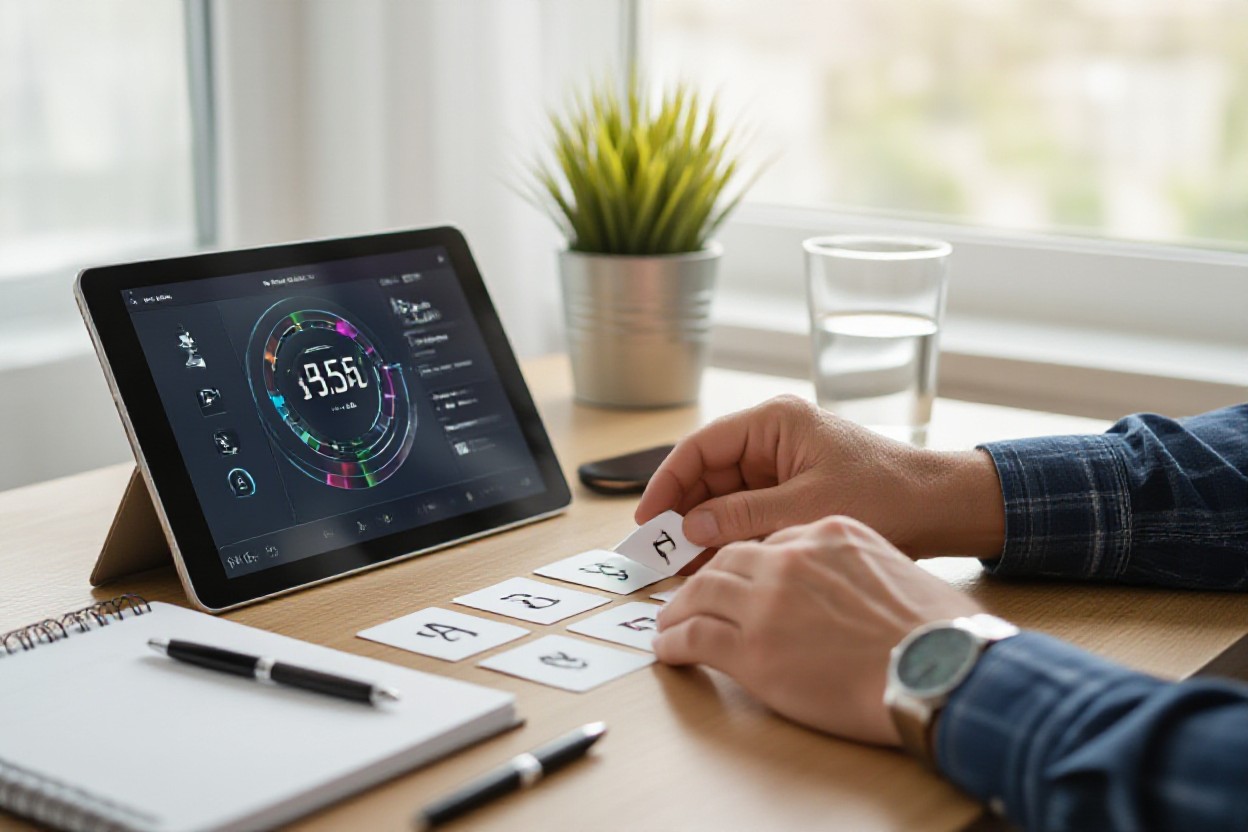
Memory Improvement Techniques for Seniors
Focused attention is vital for encoding information: multitasking and background noise weaken recall. You should practice focused attention for 5 to 10 minutes daily, either through slow breathing or attentive reading, to improve mental stamina and reduce stress-related forgetfulness. Try simple Brain games for older adults.
How Distractions Interfere with Information Encoding
Noise disrupts how you form memories since multitasking and background noise weaken recall. When you split attention, encoding suffers, and stress-related forgetfulness rises. Commit to short, focused sessions of 5 to 10 minutes daily to protect new information and strengthen encoding.
Daily Exercises to Improve Concentration and Mental Stamina
Practice slow breathing, attentive reading, or brief focused tasks for 5 to 10 minutes daily to build mental stamina. You will reduce stress-related forgetfulness and improve your ability to encode information, especially by avoiding multitasking and background noise.
Daily sessions of slow breathing, attentive reading, and single-task puzzles for 5 to 10 minutes sharpen your focused attention. You should set a timer, sit quietly, and eliminate background noise to protect encoding. Over the coming weeks, you will notice increased mental stamina and less stress-related forgetfulness, particularly when you stop multitasking during learning.
Long-term Benefits for Reading Comprehension and Conversation
Reading with focused attention improves comprehension and conversational recall because encoding is stronger when you avoid distractions. Regular 5- to 10-minute sessions reduce stress-related forgetfulness, helping you follow longer articles and maintain detail in conversations.
Over time, sticking to focused-attention routines of 5 to 10 minutes daily will improve your reading comprehension and make conversations easier to follow. You will encode details more reliably because multitasking and background noise no longer weaken recall. Consistent practice reduces stress-related forgetfulness, so you retain names, dates, and key points during discussions.
Strengthening Neural Pathways Through Active Recall
Active recall involves intentionally retrieving information to strengthen neural pathways, making future recall faster and more reliable. Embracing the mild difficulty of recalling events, conversations, or categories helps reduce ‘tip-of-the-tongue’ moments and increases your conversational confidence.
The Mechanics of Information Retrieval vs. Passive Review
You should practice intentional retrieval rather than passive review because actively testing your recall strengthens brain pathways, making access faster and more reliable, and lowering ‘tip-of-the-tongue’ moments.
Practical Methods for Recalling Daily Events and Details
Try recalling yesterday’s appointments, short conversations, or three items you bought, embracing the mild difficulty to reduce ‘tip-of-the-tongue’ moments and boost your conversational confidence.
Practice brief, daily drills: set a 2-minute timer each evening to intentionally retrieve three events, conversations, or categories from your day. This form of active recall strengthens neural pathways, making future recall faster and more reliable, reducing ‘tip-of-the-tongue’ moments, and increasing your conversational confidence.
Building Confidence and Reducing Anxiety Around Forgetfulness
Facing mild retrieval difficulty regularly helps you lower anxiety about forgetting, since active recall intentionally retrieves information to increase conversational confidence and cut down ‘tip-of-the-tongue’ moments.
Cultivate short, successful retrievals-naming three details from a conversation or recalling a date correctly-to build evidence that you can access memories. These wins show that active recall strengthens brain pathways, making recall faster and more reliable and easing anxiety about forgetfulness.
Utilizing Visualization to Enhance Focus and Retrieval
Visuals help you attach mental images to facts because the brain processes images more efficiently than words. With visual memory remaining strong after 50, picturing familiar places or visualizing task steps reduces mental effort and reliance on written lists. Read Five Ways to Activate Your Brain and Improve Memory as …
The Efficiency of Image-Based Information Processing
Images let you store facts faster because the brain processes images more efficiently than words; since visual memory remains strong after 50, attaching pictures to information reduces mental effort and improves retrieval.
Visualization Techniques for Planning and Detail Retention
Try picturing familiar places or visualizing task steps to organize tasks. The brain processes images more efficiently than words, and visual memory remains strong after 50, reducing the need for lists.
Practice by mentally walking through a familiar route or by imagining each task step so you sequence actions visually. The brain processes images more efficiently than words. Because visual memory remains strong after 50, attaching images to items reduces mental effort and reliance on written lists, helping you retain details without extra notes.
Reducing Mental Fatigue Through Mental Imagery
Use simple mental images to offload work from the mind: because the brain processes images more efficiently than words, and visual memory remains strong after 50, picturing steps reduces mental effort and lowers fatigue.
Creating vivid mental snapshots, like assigning a room to groceries or visualizing the sequence of steps for an appointment, lets you group and retrieve information without constant note-checking; the brain processes images more efficiently than words, so when you attach images to information, you cut mental effort and reduce reliance on written lists, easing fatigue during busy days.
Implementing a Consistent Mental Exercise Routine
Consistency matters more than duration, so aim for a sustainable 10- to 15-minute daily routine: 3 minutes of focused attention, 5 minutes of active recall, and 5 minutes of visualization.
Prioritizing Consistency Over Occasional Intense Effort
You should favor steady daily practice over sporadic long sessions; adopt a sustainable 10- to 15-minute daily routine, as consistency matters more than duration for most adults.
Structuring a Realistic 15-Minute Daily Memory Circuit
Plan a sustainable 15-minute circuit for yourself: 3 minutes of focused attention, 5 minutes of active recall, and 5 minutes of visualization, so each segment trains different memory skills.
Focus each segment: in the 3-minute focused-attention block, set a single stimulus, silence distractions, and use a timer; during the 5-minute active-recall phase, quiz yourself aloud or write items from memory; in the 5-minute visualization slot, form vivid scenes linking details. This 10 to 15-minute format keeps practice doable and consistent.

Addressing Common Concerns Regarding Stress and Complexity
Memory performance is often more affected by stress and fatigue than by age itself, and simple exercises are highly effective because the brain responds best to repetition; complexity is not a requirement for significant cognitive improvement. See Memory loss: 7 tips to improve your memory.
The Impact of Stress and Fatigue on Recall Accuracy
You experience poorer recall when stress and fatigue rise; memory performance is often more affected by stress and fatigue than by age itself, so reducing stress and improving sleep protects your accuracy.
Why Simple, Repetitive Exercises Yield Results
Simple drills suit you because the brain responds best to repetition; brief, repeated practice often outperforms complex routines for measurable gains.
Daily practice for 10-15 minutes, repeating lists, names, or routes, helps you strengthen connections as the brain responds best to repetition; complexity is not a requirement for significant cognitive improvement, and steady repetition over weeks produces reliable improvement without overload.
Final Words
The brain remains adaptable after 50, and you can improve memory without complex programs by practicing focused attention, active recall, and visualization, which help you maintain independence, mental engagement, and confidence in daily life.
FAQ
Q: What practical mental exercises help improve memory for people over 50?
A: Focused attention training, active recall, and visualization are three simple, evidence-based exercises that work well together. Focused attention training improves encoding by reducing distractions. Practice for 5-10 minutes daily by fully attending to a single activity, such as slow breathing, listening to a sound, reading a short paragraph, washing dishes, or walking calmly. Active recall strengthens retrieval pathways; try recalling three events from yesterday, mentally summarizing a conversation, naming items in a category, or retrieving details from a news story. Visualization pairs images with facts to aid retrieval; imagine a familiar place and walk through it mentally, visualize the steps of a task before you begin, or attach a simple image to a person’s name. Combine these into a short routine (for example, 3 minutes focused attention, 5 minutes active recall, 5 minutes visualization) and repeat daily for steady improvement.
Q: How often should adults over 50 practice these exercises, and what lifestyle factors support memory?
A: Daily practice of 10-15 minutes produces more consistent gains than occasional long sessions. Quality sleep supports memory consolidation, and regular aerobic exercise improves blood flow and cognitive health. A balanced diet that includes omega-3 fats, antioxidants, and adequate hydration supports brain function. Managing stress through breathing, pacing tasks, and social support reduces interference with attention and recall. Routine hearing and vision checks remove common barriers to encoding new information. Limiting alcohol and reviewing medications with a healthcare provider can reduce medication-related memory effects. Short, consistent cognitive practice, combined with these lifestyle steps, yields the best outcomes.
Q: When should someone over 50 be concerned about memory problems and seek medical advice?
A: Mild, occasional difficulty with recall and slower processing speed are common after 50 and do not always indicate disease. Seek medical evaluation if memory problems worsen rapidly, lead to repeated disorientation, interfere with performing familiar tasks, or are accompanied by marked personality or behavior changes. Healthcare providers will assess for reversible causes such as medication side effects, thyroid dysfunction, vitamin B12 deficiency, depression, sleep apnea, and other medical issues. Formal cognitive testing and brain imaging may be recommended when concerns persist or when daily independence is affected. Early assessment increases the chance of treating reversible conditions and planning appropriate support.