Complete Guide to Staying Flexible, Mobile, and Pain-Free After 50
Aging is inevitable. Stiffness is not.
If you are over 50, you have likely noticed subtle changes: tighter hips when getting out of the truck, shoulders that resist reaching overhead, hamstrings that protest during yard work. Flexibility declines naturally with age due to reduced collagen elasticity, decreased activity levels, and joint wear. But here is the good news: consistent stretching can dramatically slow — and even reverse — much of that stiffness.
The best stretching routines for seniors do more than increase flexibility. They improve circulation, reduce fall risk, protect joints, decrease chronic pain, and preserve independence. In short, stretching is not optional maintenance. It is long-term mobility insurance.
This guide will walk you through:
- Why stretching is critical after 50
- How often seniors should stretch
- The safest way to warm up
- A complete head-to-toe stretching routine
- How to build a weekly flexibility plan
- Clear how-to exercise visuals for each movement
If you want to stay mobile, capable, and independent well into your later years, this is where you begin.
Why Stretching Is Essential for Seniors
After age 50, several physiological changes affect mobility:
- Muscle fibers shorten and lose elasticity
- Connective tissues stiffen
- Synovial fluid in joints decreases
- Sedentary habits compound tightness
The result? Reduced range of motion, slower reaction time, and increased fall risk.
Regular stretching helps:
- Improve joint mobility
- Reduce muscle tension
- Enhance posture
- Increase blood flow
- Support balance and coordination
- Decrease lower back and neck pain
For adults over 50, stretching is less about performance and more about preservation.
How Often Should Seniors Stretch?
For best results:
- Minimum: 3 times per week
- Optimal: Daily light stretching
- Duration: 10–20 minutes
- Hold time: 15–30 seconds per stretch
- Breathing: Slow, controlled, never hold your breath
Never bounce. Stretch to mild tension — not pain.
The Best Stretching Routines for Seniors (Step-by-Step)
Below is a complete routine you can perform at home without equipment. These are safe, functional movements appropriate for most adults over 50.
Always consult a healthcare provider if you have severe arthritis, recent surgery, or spinal conditions.
1. Neck Stretch (Reduce Upper Body Tension)
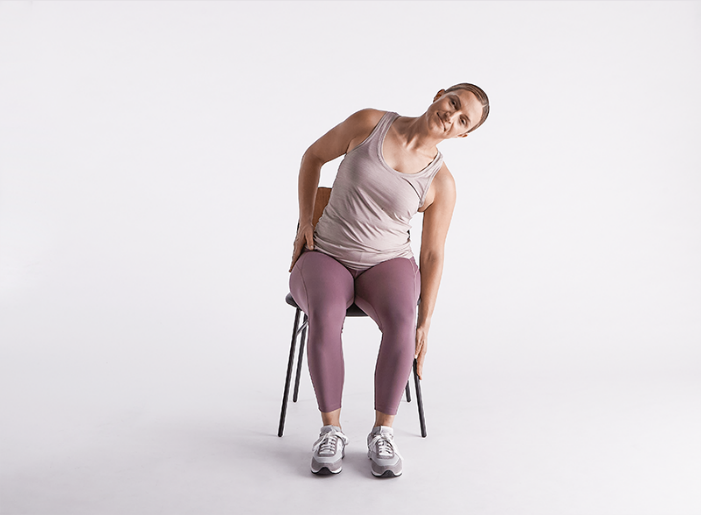
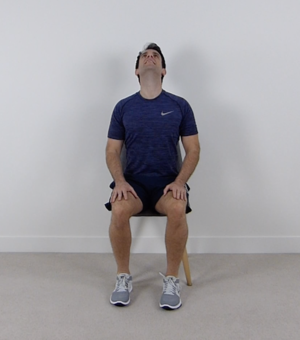
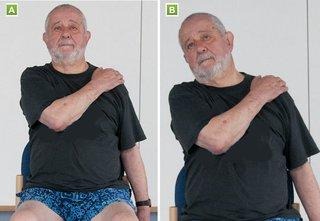
How to Perform:
- Sit tall in a chair.
- Slowly tilt your head toward your right shoulder.
- Hold 20 seconds.
- Switch sides.
- Repeat 2–3 times.
Benefits:
- Relieves neck stiffness
- Improves posture
- Reduces tension headaches
Avoid rolling your head in full circles — this can strain the cervical spine.
2. Shoulder Stretch (Improve Upper Body Mobility)
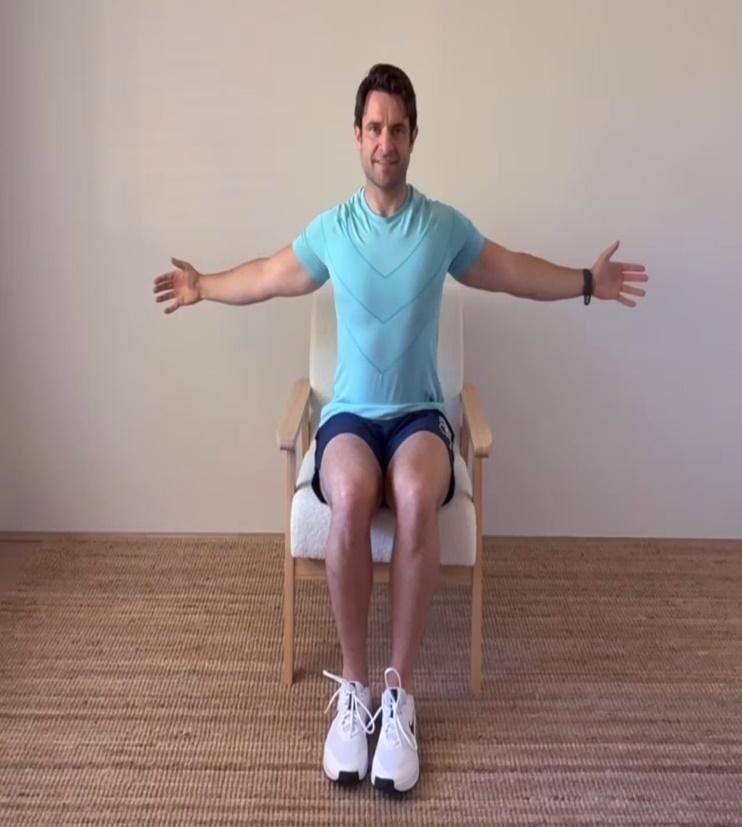
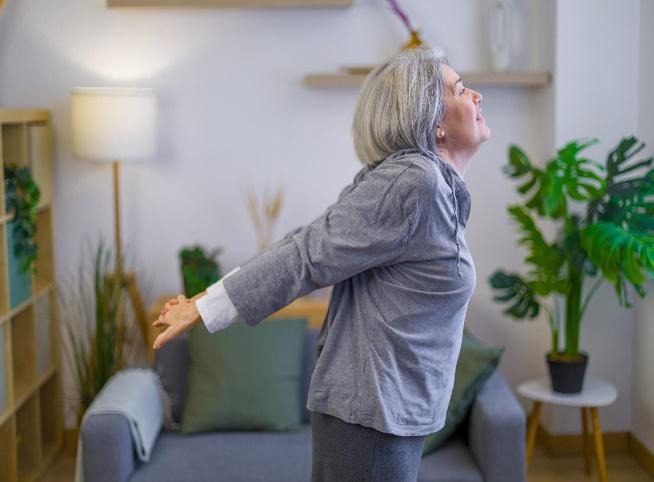
How to Perform:
- Bring one arm across your chest.
- Use your opposite hand to gently pull it closer.
- Hold 20–30 seconds.
- Switch arms.
Benefits:
- Improves reaching ability
- Supports rotator cuff health
- Helps with dressing and daily tasks
3. Chest Opener Stretch (Counteract Forward Posture)
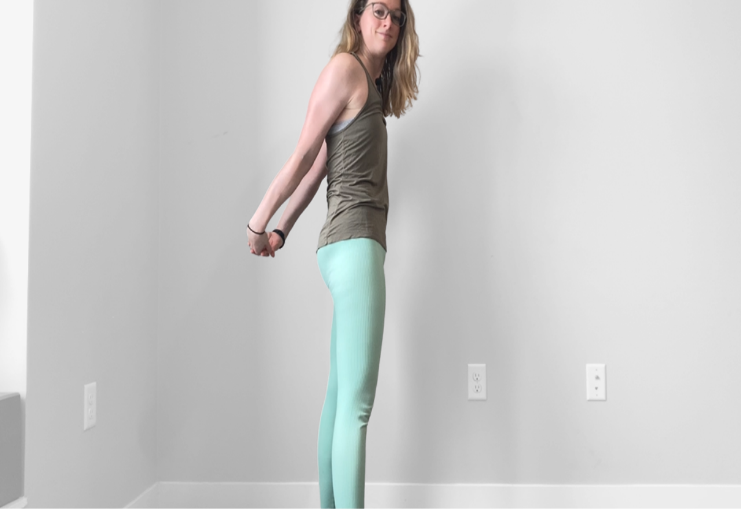
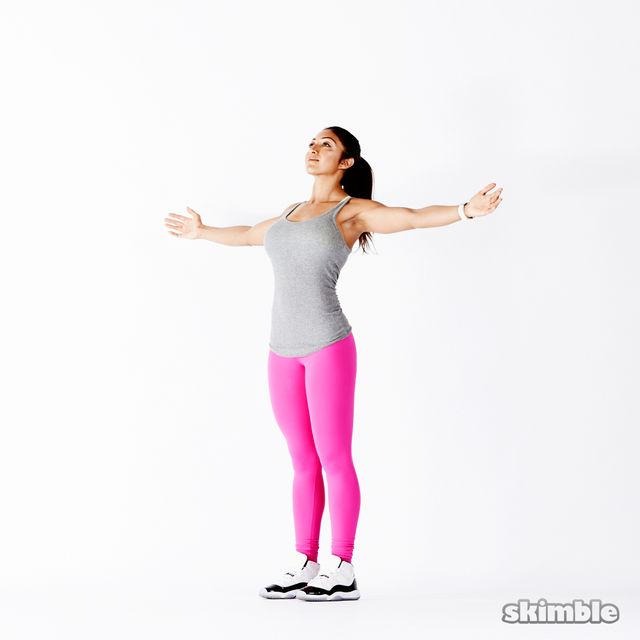
How to Perform:
- Stand tall.
- Clasp hands behind your back.
- Gently lift arms slightly.
- Open your chest and breathe deeply.
- Hold 20 seconds.
Benefits:
- Improves posture
- Reduces rounded shoulders
- Enhances breathing capacity
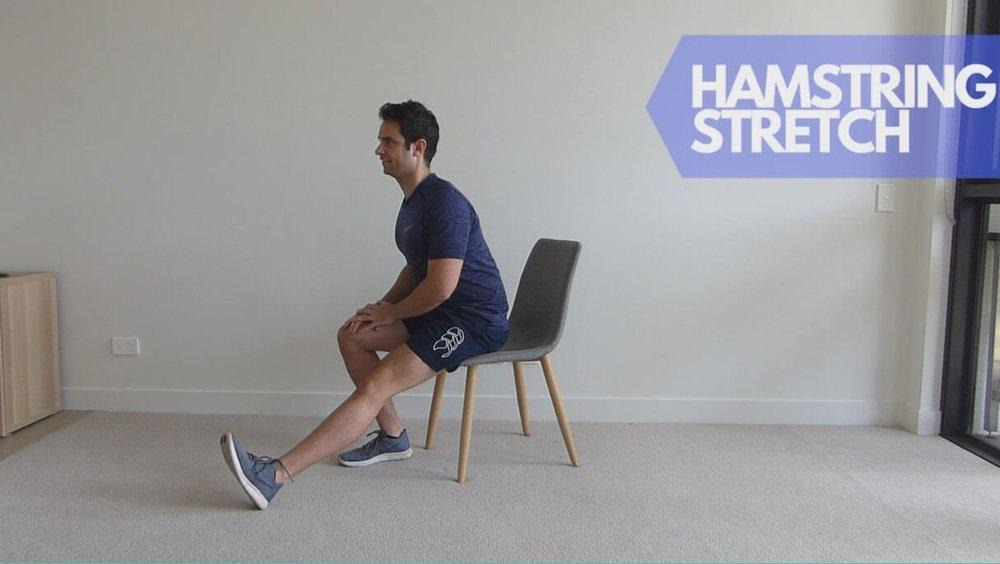
4. Seated Hamstring Stretch (Support Lower Back Health)
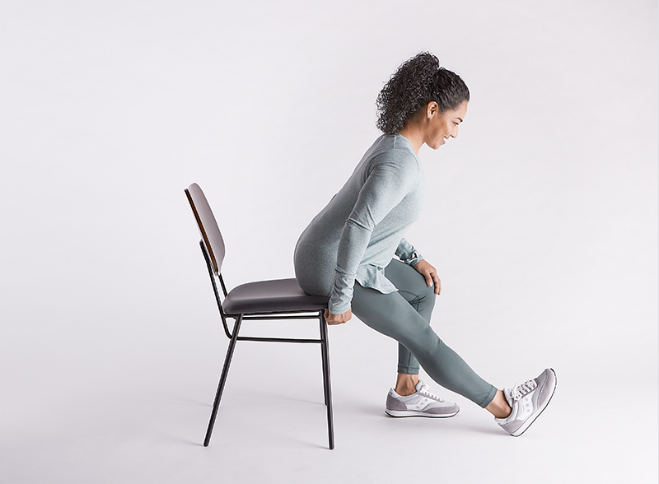
How to Perform:
- Sit at the edge of a chair.
- Extend one leg straight.
- Lean forward from your hips.
- Keep your back straight.
- Hold 20–30 seconds.
Benefits:
- Reduces lower back strain
- Improves walking stride
- Supports balance
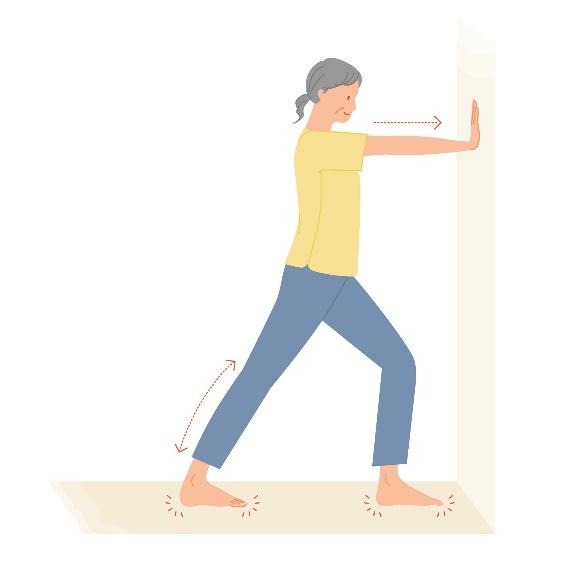
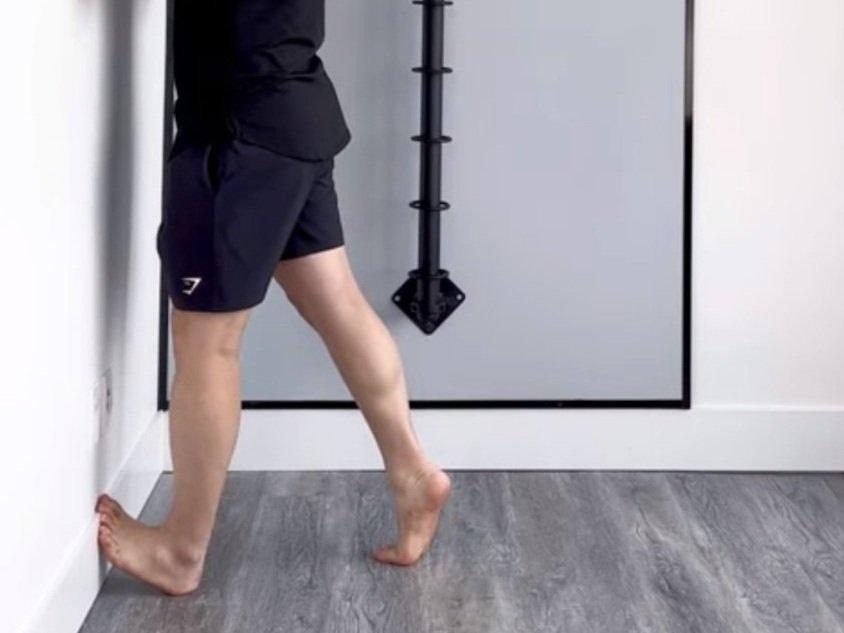
5. Standing Calf Stretch (Prevent Falls)
How to Perform:
- Stand facing a wall.
- Step one foot back.
- Keep heel on floor.
- Lean forward slightly.
- Hold 20–30 seconds.
Benefits:
- Improves ankle mobility
- Reduces fall risk
- Supports walking endurance
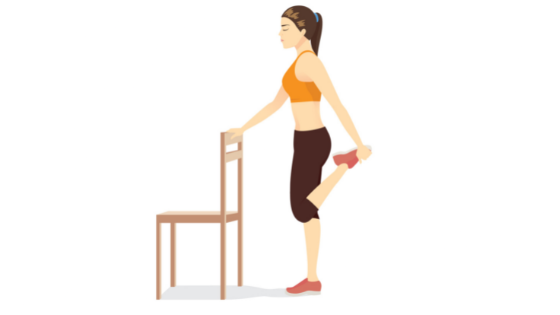
6. Hip Flexor Stretch (Combat Sitting Stiffness)
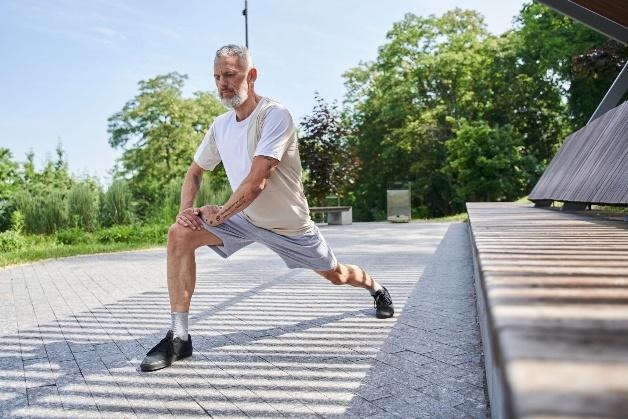
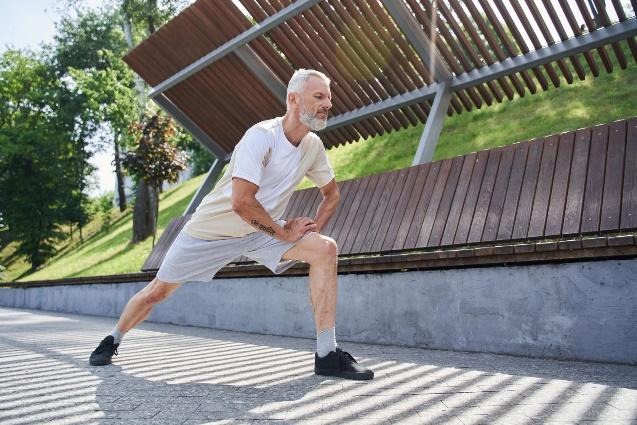
How to Perform:
- Hold a chair for support.
- Step one foot back.
- Slightly bend front knee.
- Keep torso upright.
- Feel stretch in front of back hip.
- Hold 20 seconds.
Benefits:
- Reduces hip tightness
- Improves posture
- Decreases lower back pain
7. Seated Spinal Twist (Improve Core Mobility)
How to Perform:
- Sit upright.
- Place right hand on left knee.
- Gently twist torso.
- Hold 20 seconds.
- Switch sides.
Benefits:
- Improves spinal flexibility
- Enhances core mobility
- Aids digestion
Sample Weekly Stretching Plan for Seniors
Monday: Full body routine (15 minutes)
Tuesday: Lower body focus
Wednesday: Upper body focus
Thursday: Light stretching + walking
Friday: Full body routine
Saturday: Gentle yoga-style stretching
Sunday: Recovery and mobility
Consistency matters more than intensity.
Safety Guidelines for Seniors
- Never stretch cold muscles — walk 5 minutes first
- Avoid bouncing movements
- Stop immediately if you feel sharp pain
- Use a chair or wall for balance
- Stay hydrated
If you experience chronic joint pain, consult a physical therapist.
Entertaining Flexibility Facts
- The average adult loses up to 1% of flexibility per year after age 30.
- Tight hip flexors are often the hidden cause of lower back pain.
- Regular stretching can improve circulation as effectively as light walking.
- Seniors who stretch consistently report fewer balance issues.
Flexibility is not about touching your toes. It is about tying your shoes at 75 without assistance.
Key Takeaways
- Daily stretching significantly improves mobility after 50.
- Focus on major muscle groups: neck, shoulders, hips, hamstrings, calves.
- Gentle, consistent stretching prevents stiffness and reduces fall risk.
Final Thoughts: Flexibility Is Freedom
The best stretching routines for seniors are simple, safe, and sustainable. You do not need expensive equipment. You do not need advanced training. You need 15 minutes and consistency.
Mobility determines independence. Independence determines quality of life.
Start today. Move gently. Breathe deeply. Stay flexible — and stay capable — for decades to come.